

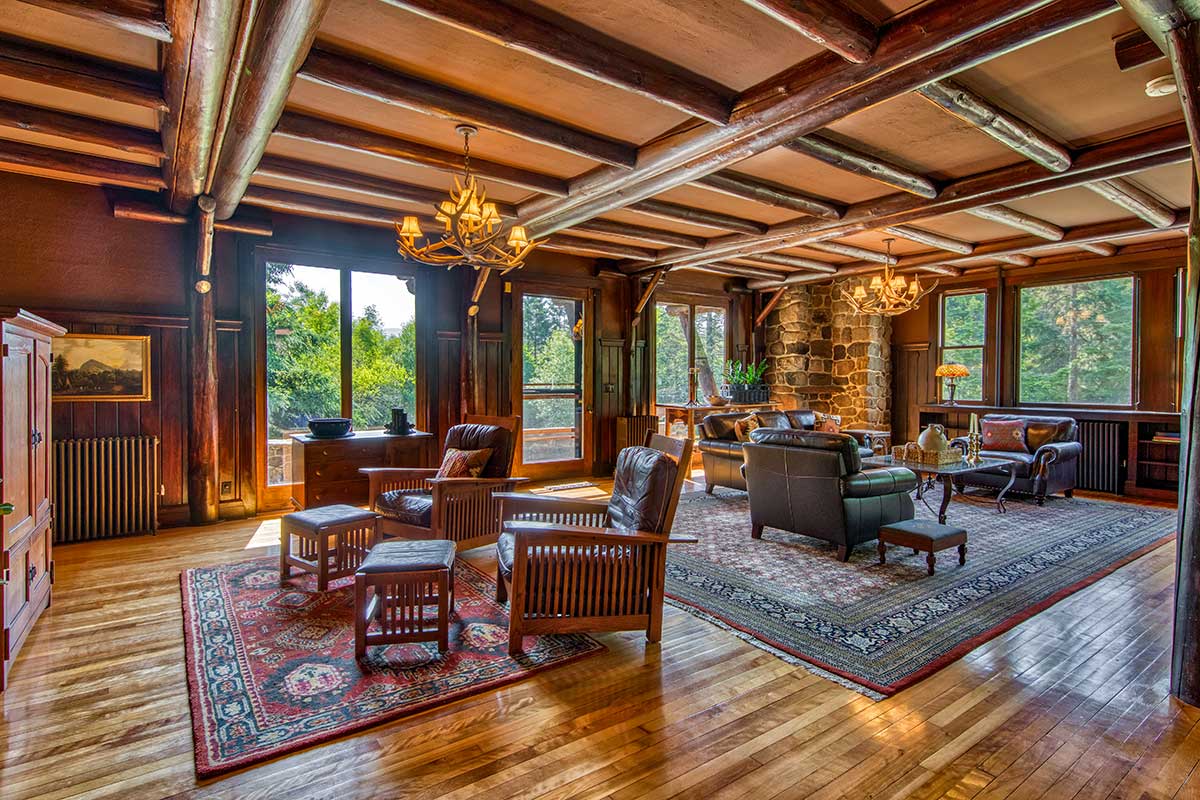
Some homes reveal their character slowly. A staircase follows an unusually graceful curve. Stonework echoes the landscape beyond the windows. A room catches the afternoon light in a way that feels entirely deliberate.
These details invite a closer look. Who designed the residence? Which elements are original? How has the property evolved, and what have successive owners chosen to preserve?
Together, those answers establish a home’s architectural provenance: the documented story of its creation and development. For buyers exploring luxury real estate auctions, that history offers a richer understanding of the property they are considering—and the opportunity to become part of its next chapter.
What Is Architectural Provenance?
Architectural provenance encompasses a home’s origins, the people responsible for its design, and the changes made over time. It may include the original architect’s drawings, construction records, landscape plans, photographs, or documentation of a significant restoration.
A residence need not be centuries old or associated with a celebrated name to have a compelling provenance. A contemporary home commissioned for a particular site can have an equally meaningful story. Its orientation, materials, and relationship to the surrounding terrain may reflect years of thoughtful collaboration between an owner and a design team.
The most useful history connects what you see today with the decisions that shaped it.
Look Beyond the Architect’s Name
An architectural attribution provides a starting point. Understanding the architect’s actual contribution gives that attribution substance.
Did the architect design the entire residence, a later addition, or an interior renovation? Does the home retain its original layout? Were the gardens conceived alongside the house or introduced decades later?
These distinctions deserve attention. A property may reflect several accomplished designers working at different moments, each contributing something valuable. A sensitive addition might make an older residence more comfortable while preserving the proportions and details that give it character.
When reviewing an architect-designed luxury home, ask what supports the attribution. Original plans, project correspondence, and contemporary publications can help establish a clearer picture. Where records are incomplete, it is worth identifying what is documented and what remains part of the property’s oral history.
Read the Craftsmanship in the Rooms
A property’s history becomes tangible in its materials.
Look closely at the depth of a doorway, the fit of custom cabinetry, or the transition between a stone floor and a terrace. Consider how details relate across the residence. Do the windows, hardware, and millwork share a consistent design language? Does the craftsmanship reward attention beyond the principal entertaining spaces?
At Camp Kobl Hill in Lake Placid, for example, Platinum’s property description identifies a residence originally built in 1918, with cedar shake siding, substantial stonework, and custom wood detailing. Those specific features help explain its Adirondack character more clearly than a general description of luxury could.
During a property preview, give yourself time to notice these quieter qualities. Photographs can introduce a home beautifully, but experiencing its scale, textures, and sequence of rooms adds another dimension.
Understand How the Home Has Evolved
An exceptional residence can accommodate change gracefully. Kitchens are reconfigured, mechanical systems are updated, and previously formal rooms find new purposes.
The question is how thoughtfully those changes have been made.
Ask for a chronology of significant renovations, including the professionals involved and any available plans or photographs. This can help distinguish original features from later interpretations and explain why certain decisions were made.
A restored window, for instance, tells a different story from a newly fabricated window designed to match the original. Both may be appropriate, but understanding the distinction allows you to appreciate the work accurately.
It also helps you consider your own plans. If you envision displaying a collection, creating a library, or adapting guest accommodations, an architect familiar with the property’s style can help you explore how those ambitions might fit the existing design.
Give the Landscape Equal Attention
The experience of a home begins before the front door.
An approach framed by mature trees, a sheltered courtyard, or a terrace positioned to capture the evening light may be integral to the original vision. Landscape drawings and early photographs can reveal connections that are less obvious during a first visit.
Consider the relationship between indoor and outdoor spaces. Which views anchor the principal rooms? How do paths and gardens guide movement through the grounds? Does the planting create privacy while preserving a sense of openness?
For a September visit, ask to see photographs from other seasons as well. A leafy garden may feel quite different in winter, while a terrace visited on a cool afternoon may become central to the home’s summer life.
Bring the History into Your Auction Preparation
When a property’s architecture is central to its appeal, make that part of your inquiry early.
Request available design and renovation records, identify the details you would like to understand, and allow time for a focused visit with an appropriate specialist. Architectural history complements the broader review of a property’s condition and auction terms.
Platinum Luxury Auctions assists buyers with property previews and collects due diligence documents for its offerings. Its buyer resources introduce the process. The availability of architectural records will vary by property, so specific requests are best raised well before bidding.
The aim is to arrive with a considered understanding of the residence: what shaped it, what survives, and how comfortably it might accommodate your life.
A Home Worth Knowing
Choosing an exceptional home is a personal decision. Its appeal may lie in a remarkable setting, an assured architectural vision, or craftsmanship that becomes more apparent with every visit.
Understanding its provenance deepens that connection. You can recognize the intentions behind its design and make thoughtful choices about its future.
If you are considering a distinctive residence at auction, connect with Platinum Luxury Auctions to discuss the property, arrange a preview, and learn which supporting materials are available.


